
What’s Really in Your Lipstick?
게시됨 : 2025년 9월 12일
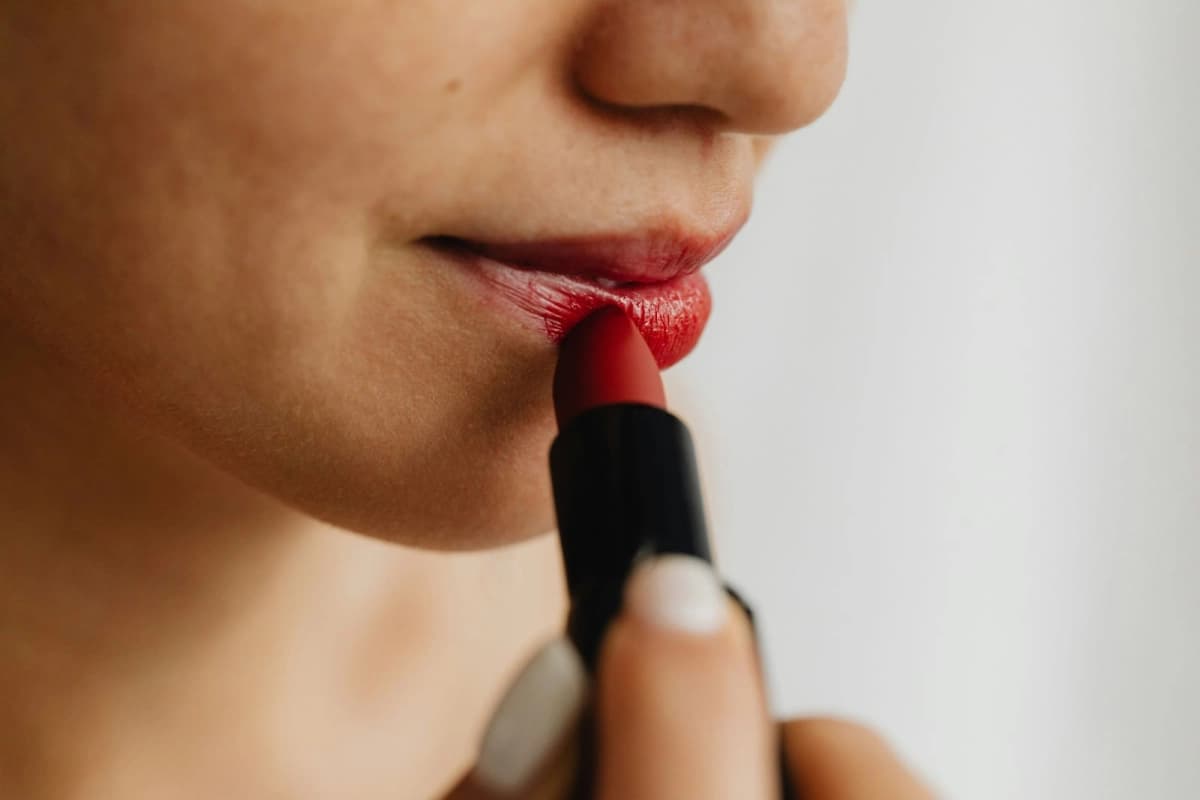
We don’t just wear lipstick — we eat it. Every day, small amounts of lipstick are swallowed while eating, drinking, or talking. Over a year, that adds up — and if the formula isn’t clean, you could be ingesting more than just color.
Toxins Often Found in Lipsticks
Heavy Metals
- Lead: No safe level of exposure, yet still found as a pigment contaminant.
- Cadmium: Linked to orange and red pigments, toxic to kidneys and bones.
- Nickel & Chromium: Common triggers of rashes and allergies around the lips.
Titanium Dioxide
- Used to whiten or brighten shades. In lipsticks, avoiding titanium dioxide reduces unnecessary daily exposure.
Synthetic Dyes & Coal Tar Colors
- Derived from petroleum, sometimes contaminated with heavy metals.
Parabens & Phthalates
- Preservatives and texture agents that can disrupt hormones.
Why Lipsticks Need Extra Caution
Unlike foundation or mascara, lipsticks don’t just sit on the surface. They’re ingested. That makes ingredient safety in this category non-negotiable.
Safer Choices
- Fruit & Plant Pigments — natural color from berries or beets, without heavy-metal contamination.
- Titanium-Free — cleaner daily wear.
- Hydrating Oils & Antioxidants — formulas that nourish while adding color.
- Transparent Labels — brands that disclose full ingredients, not just marketing buzzwords.
Lipstick should boost your beauty, not risk your health. Skip heavy metals, harsh dyes, and titanium dioxide. Choose clean, fruit-pigmented, titanium-free lipsticks — so every swipe is as safe as it is stunning.